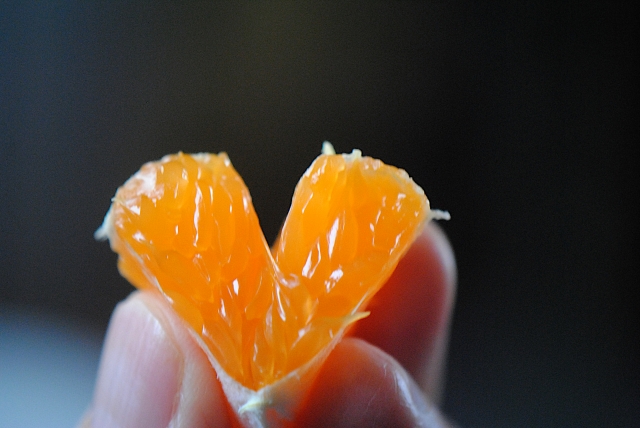
みかんは人気者!

フルーツ記事
時は大ミカン時代

最近人気の英語学習アプリ「Mikan」ウゴウゴルーガで一躍有名になったキャラクター「ミカンせいじん」愛媛のご当地キャラ「みきゃん」とキャラクターとしても愛され続ける食べ物「みかん」ロングセラーとして愛される理由に迫りましょう。

日本書紀に出てくるみかん

田道間守(たじまもり)という人物が垂仁天皇の命を受け、常世の国(海外)へ出向き10年の歳月の末に持ち帰った不老不死をもたらす実「橘(たちばな)」が蜜柑となり、田道間守はみかんの神様として祀られています。

江戸っ子を唸らせた紀州みかん

みかんは江戸で伊藤孫右衛門が栽培したと言われ、江戸時代には蜜柑方という組織すら存在したほどみかんの栽培地として栄え、享保年間には多くのグルメな江戸っ子の舌を唸らせたと言われています。

生産量ランキング

みかんの生産量のランキングは10位が三重県、9位が福岡県、8位が広島県、7位が愛知県、6位が佐賀県、5位が長崎県、4位が熊本県、3位が静岡県、2位が愛媛県、1位が和歌山県です。江戸時代から続く産地は最強ですね!

みかんを揉むのはなぜ?

みかんを揉むと甘くなります。揉むと細胞に傷がつき、傷ついた細胞を修復するためにクエン酸の酸味成分が消費されて酸味が減るそうです。甘味が増すのではなく、酸っぱい成分が減って甘く感じるのですね。

みかんの成分

みかんにはビタミンC、プロビタミンA、ビタミンB,ビタミンE、カリウム、ミネラル、クエン酸、ヘスペリジン、セルロース、オーラプテン(香り成分)、シネフリン(酸味成分)、テルペノイド(香気成分)、リモネン(香気成分)ナリンジン(苦味)、βカロチン、βクリプトキサンチン、ペクチン、ノミリン、などの成分が含まれています。

みかんの種類は103種類!

みかんは103もの品種があり、定番はお馴染みの「温州みかん」そして「紅まどんな」はゼリーのようなぷるぷる感とジューシーさが魅力。「清美」は濃厚でジューシーな果汁たっぷりの米国のオレンジと日本の温州みかんの交配種。「せとか」は「柑橘の大トロ」と言われるほど濃厚でジューシー。不知火は「清美」と「ポンカン」を両親にもつ高糖度の品種。「はるみ」は「清美」と「デコポン」の交配種で酸味が少なくプチプチの食感。「あすみ」ははるみ、きよみ、ポンカン、トロピタオレンジ、スイートスプリング、はっさくなどの柑橘の良いとこどりの品種。

ちなみに英語でTangerineと呼ばれる蜜柑は昔、ミツカンと呼ばれていました。みかんには純潔、親愛、花嫁の喜びなどの花言葉があります。文豪・芥川龍之介の小説に「蜜柑」という小説があります。今年の冬はみかんのアロマに癒されて、みかん酒を飲みながら小説「蜜柑」の世界で蜜柑尽くしを味わってみては!?

<参考サイト 2023/9/20>
mikan
https://mikan.link

ミカンせいじん
https://ja.wikipedia.org/wiki/ミカンせいじん

愛媛のみきゃん
https://www.pref.ehime.jp/h12200/mican-kanzume/profile_mican.html

紀州有田みかんの起源と発達史
http://www.mikan.gr.jp/report/kigen.html

みかんの歴史
http://www.mikanfarm.com/information/history/mikan.html

みかんの成分
https://www.kajuen.co.jp/health/

みかんを揉むのはなぜ?
http://www.ige.tohoku.ac.jp/mirai/newmachikado/ms2020/article/ms001832.html#:~:text=では皆さんは、何故ミカン,さが際立つのです%E3%80%82

みかんの種類
https://halmek.co.jp/qa/1489#

みかんな図鑑
https://www.ito-noen.com/dictionary/

みかんを英語で?
https://kimini.online/blog/archives/8522

蜜柑とは
https://ukiuki-express.com/archives/1768.html

みかんの花言葉
https://hanakotoba-map.com/mikan-hanakotoba.html

Mikan: Everyone’s Favorite!

English
Age of Discovery

The recent popular English learning app “Mikan” skyrocketed to fame with its character “Mikan Seijin.” Coupled with Ehime’s local mascot “Mikyan” and the ever-beloved fruit “mikan,” let’s delve into why this citrus fruit remains a long-standing favorite.

Mikan in the Nihon Shoki

A figure named Tajimamori was sent by Emperor Suinin to Tokoyo-no-Kuni (overseas) and, after a decade, brought back the “Tachibana” fruit, believed to grant immortality. This fruit became the mikan, and Tajimamori is now revered as the god of mikan.

Kishu Mikan that Impressed Edo Residents

It’s believed that mikan cultivation in Edo was started by Ito Sonzaemon. During the Edo period, there was even an organization dedicated to mikan cultivation, and by the Kyoho era, it had won over many gourmet Edo residents.

Production Rankings

In terms of mikan production, the rankings are: 10th – Mie Prefecture, 9th – Fukuoka, 8th – Hiroshima, 7th – Aichi, 6th – Saga, 5th – Nagasaki, 4th – Kumamoto, 3rd – Shizuoka, 2nd – Ehime, and 1st – Wakayama. The top producer has a legacy dating back to the Edo period!

Why Do We Rub Mikans?

Rubbing mikans makes them taste sweeter. Rubbing damages the cells, and to repair them, the citric acid content decreases, reducing sourness. It doesn’t actually become sweeter; the sourness just diminishes.

Mikan Components

Mikans contain Vitamin C, Provitamin A, Vitamin B, Vitamin E, potassium, minerals, citric acid, hesperidin, cellulose, auraptene (aromatic component), synephrine (sour component), terpenoids (fragrance), limonene (fragrance), naringin (bitterness), β-carotene, β-cryptoxanthin, pectin, nomilin, and more.

103 Types of Mikans!

There are 103 varieties of mikan. The classic is the familiar “Unshu Mikan.” “Beni Madonna” is known for its jelly-like texture and juiciness. “Kiyomi” is a hybrid of a US orange and Unshu Mikan. “Setoka” is so rich and juicy it’s called the “fatty tuna of citrus.” “Shiranui” is a high-sugar variety with parents “Kiyomi” and “Ponkan.” “Harumi” has a unique texture and is a cross between “Kiyomi” and “Dekopon.” “Asumi” is a blend of various citrus fruits.

Interestingly, the mikan, known as “Tangerine” in English, used to be called “Mitsukan.” Mikans have floral meanings like purity, affection, and bridal joy. There’s a novel titled “Mikan” by the literary giant Ryunosuke Akutagawa. This winter, why not relax with the aroma of mikan, sip on mikan liquor, and immerse yourself in the world of the novel “Mikan”?

References (in Japanese only, as of 2023/9/20)

Mikan
https://mikan.link

Mikan Alien (ミカンせいじん)
Wikipedia

Ehime’s Mikyan
Ehime Prefecture’s Official Page

Origin and Development History of Kishu Arida Mikan
Kishu Arida Mikan Association

History of Mikan
Mikan Farm

Components of Mikan
Kajuen Orchard

Why Do We Rub Mikans?
Tohoku University’s Future City Initiative

Types of Mikan
Halmek

Mikan Encyclopedia
Ito Orchard

What’s Mikan in English?
Kimini Online

About Mikan
Ukiuki Express

Floral Language of Mikan
Flower Language Map

タイトルとURLをコピーしました